Blast Brigade
Lead Combat Designer
Genre: Action, Shooter, Platformer, Metroidvania
Aug 2020 - Apr 2022
Release: April 13, 2022
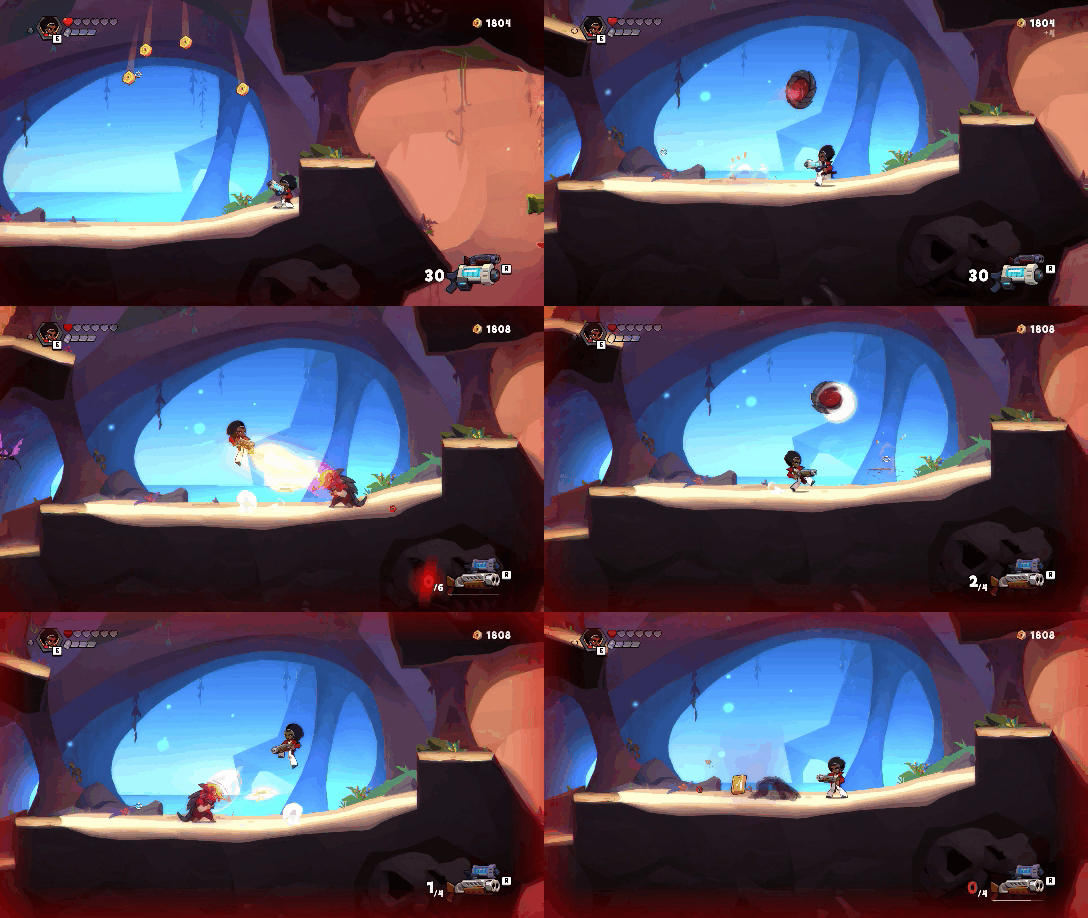
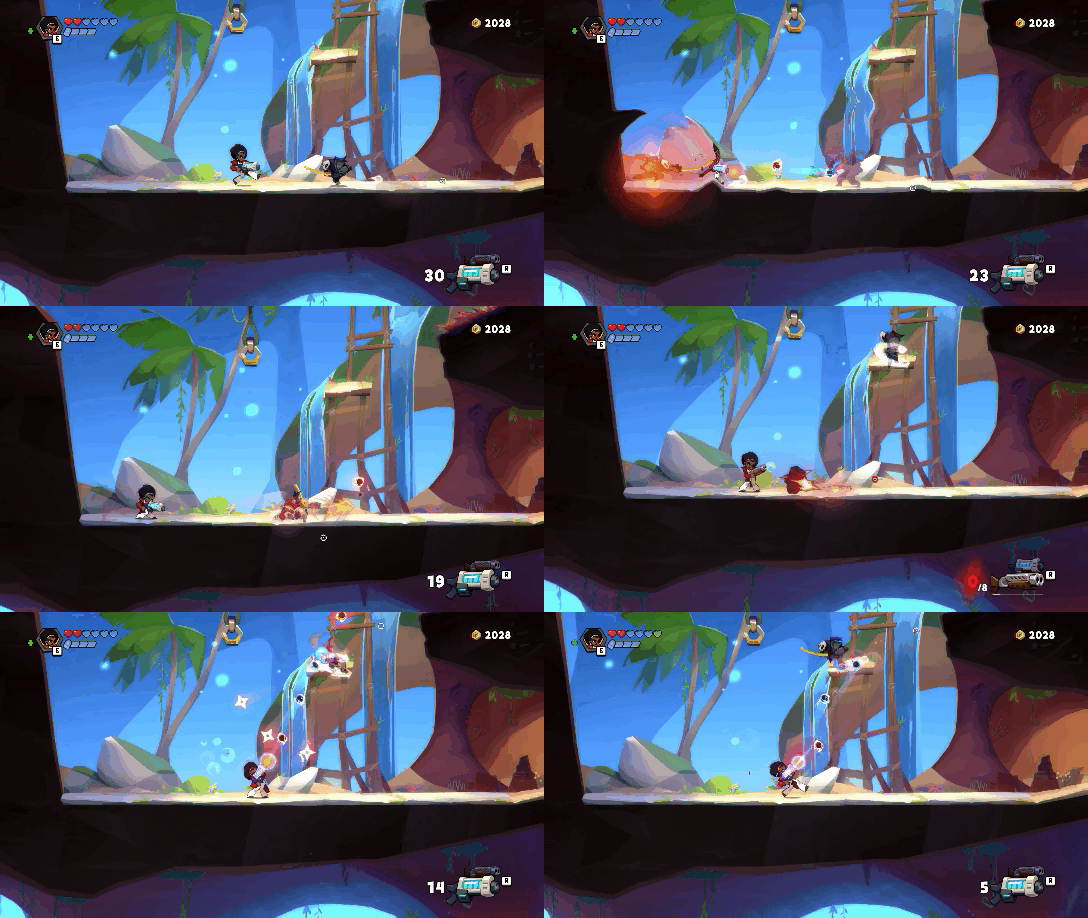
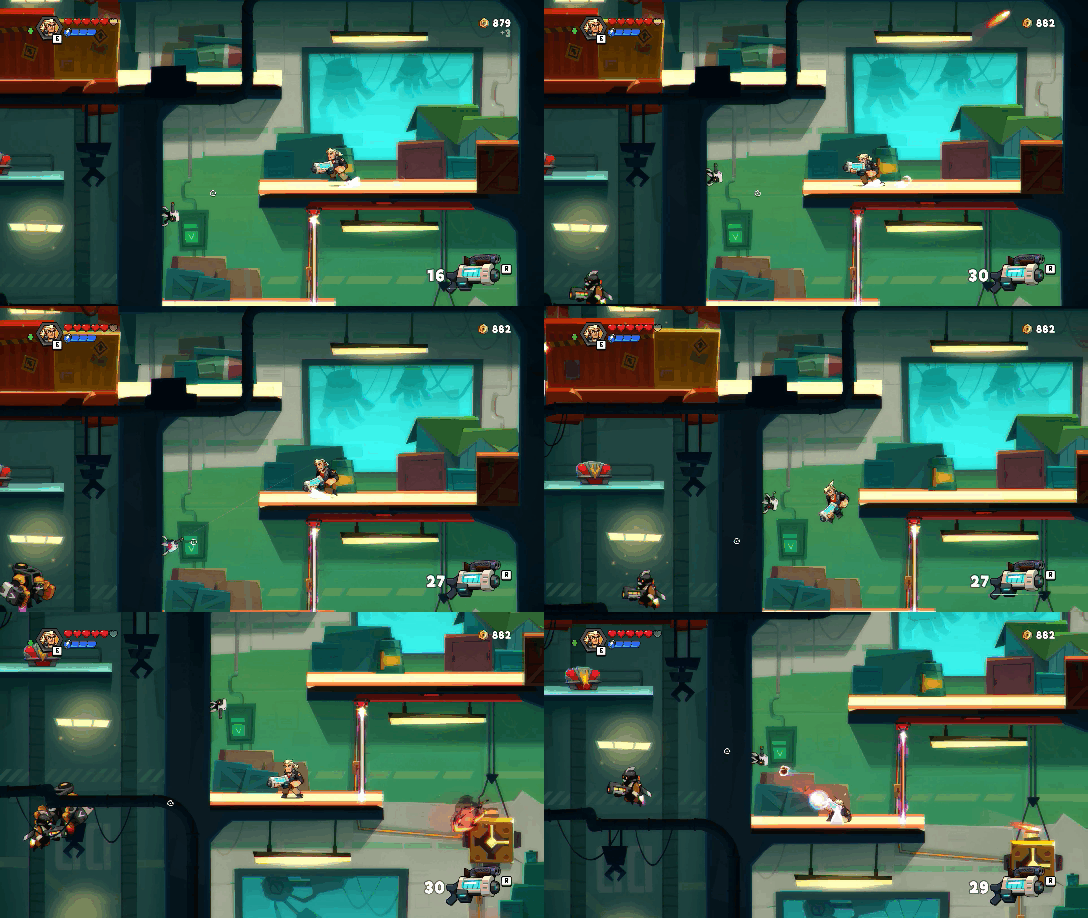
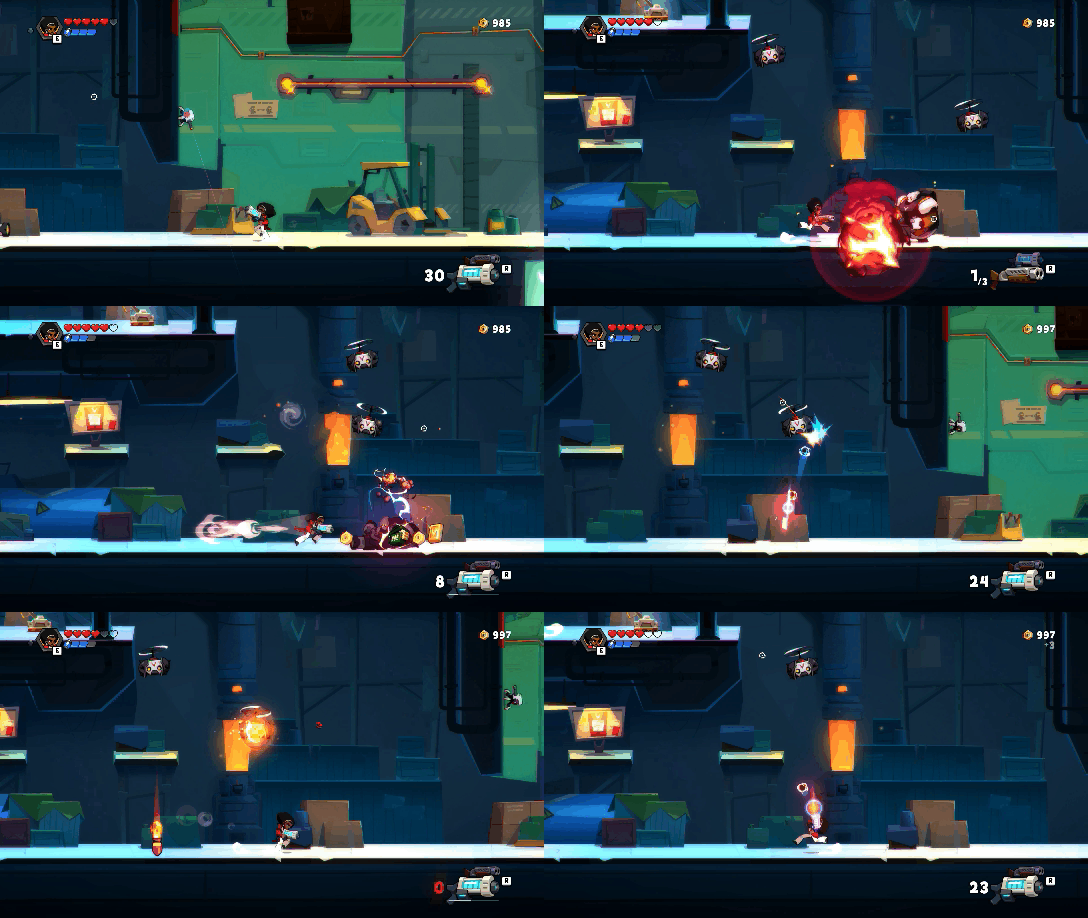
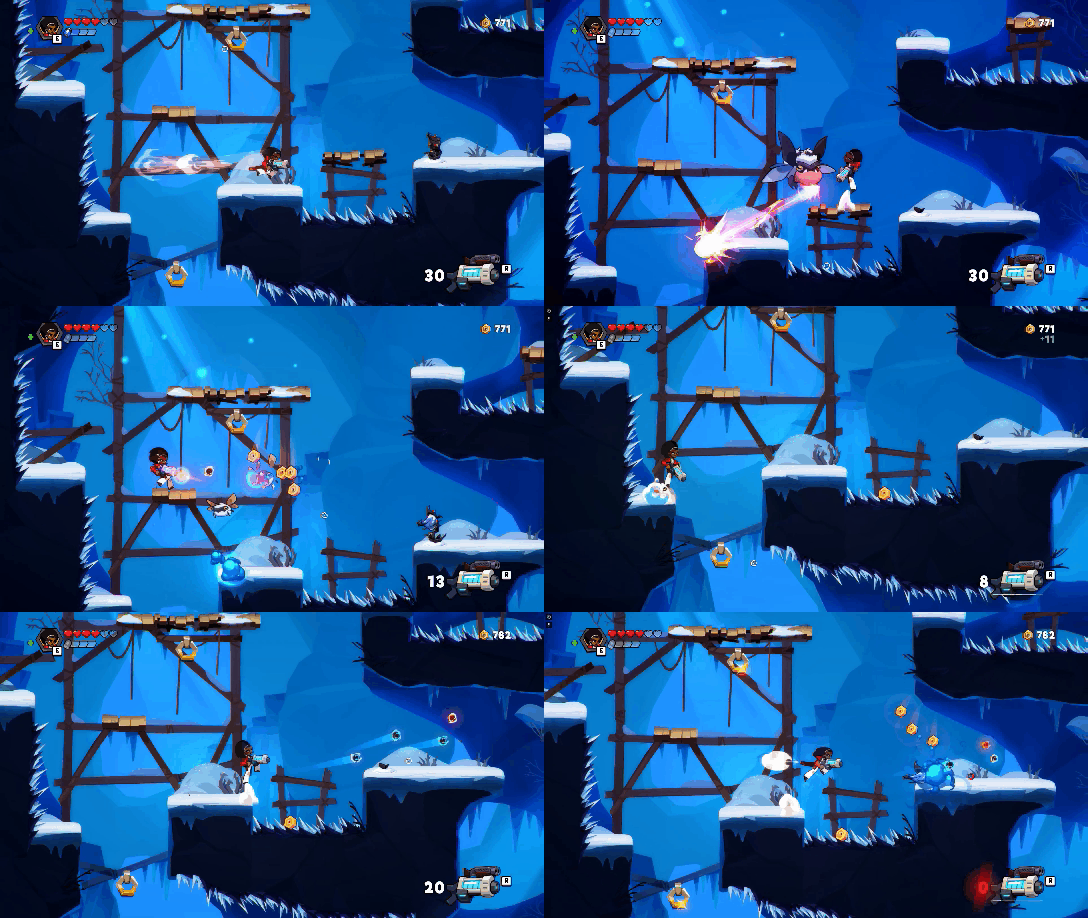
I owned the design and prototyping of all core combat systems from scratch, defining combat feel, pacing, and enemy interactions. I designed, prototyped, and shipped a wide range of combat content — 7 bosses, 34 enemies, and all 10 weapons — and personally built much of it in-engine from first pass to final polish. I also created the perk-based player build system that drives progression and distinct playstyles. We delivered a complete combat experience for the full campaign on a tight schedule, and the game went on to receive strong player feedback, with bosses and combat frequently highlighted in reviews.
Platforms: PlayStation 5, Nintendo Switch, PlayStation 4, Xbox One, Windows, GeForce Now, Xbox Series X|S
Engine: Unity


MY DESIGN
The Abomination
Here I want to walk through the development of one of my bosses. It was one of the most technically complex boss fights I assembled entirely on my own, without any programmer support. But the main reason I chose this boss is the number of mistakes I made on it — and the lessons I learned.
We needed a darker boss (at least relative to the game’s otherwise bright, cartoony style), so for the fight’s gameplay references I drew on the following bosses.
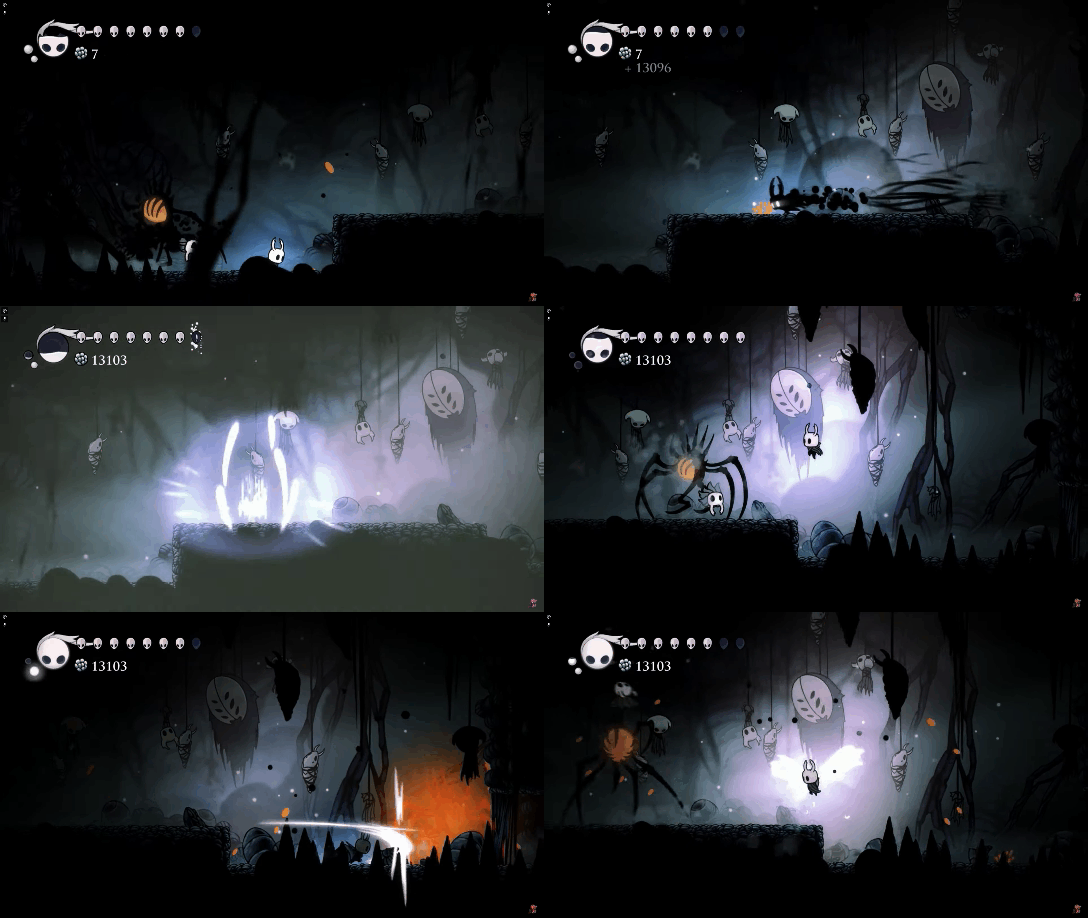
Reference #1: Hollow Knight — Nosk. Nosk is a mysterious, shape-shifting, infected beast. I picked it because of the similar narrative tone, and borrowed its “rushing” attack patterns, where you don’t really chase the boss — instead, it comes at you, only giving a small window to strike back.
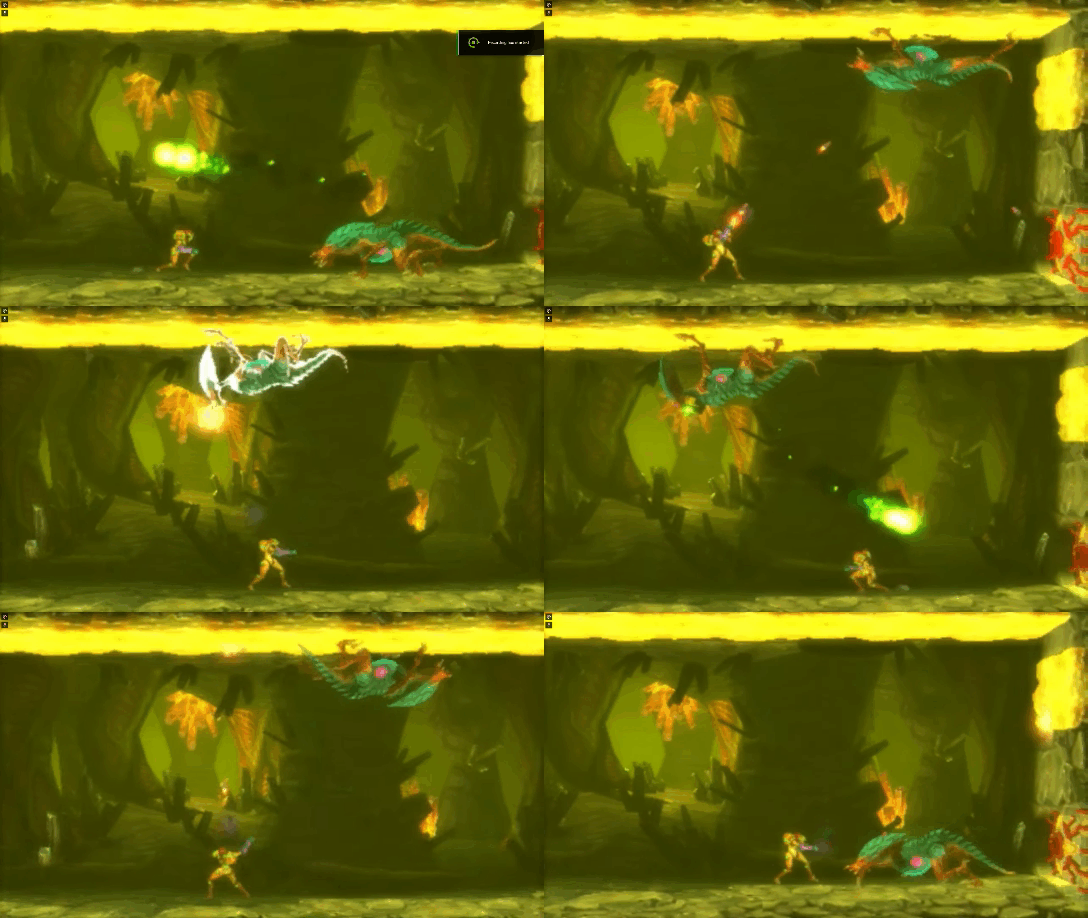
Reference #2: Zeta from Metroid: Samus Returns — a boss that can move along walls and the ceiling, attacking the player from multiple angles. I felt this style of movement would be a perfect complement to Nosk’s patterns, reinforcing fantasy of the boss.
A good boss is inseparable from its arena, so let’s start there.
One of the main goals for this encounter was to cement the double jump as a core skill for the player. They already unlocked it in the Ancient Temple biome, where the Abomination is the final boss, so every platform in the arena is positioned at a height that requires clean, deliberate use of the double jump.
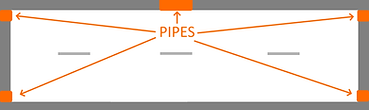
The arena is wide and intentionally larger than the camera frame. To keep the player guessing about the boss’s next angle of attack, I added traversal pipes the Abomination can warp through, with its logic randomly choosing between slipping into a pipe or leaping onto a wall.
In hindsight, the biggest problem was the custom wall-and-ceiling movement, which wasn’t supported by the base systems. The boss moved along manually placed points, and I flipped its model by hand based on direction. This made every new ability more expensive, since it had to handle whether the boss was on a wall or ceiling and moving clockwise or counterclockwise, generating a ton of bugs.
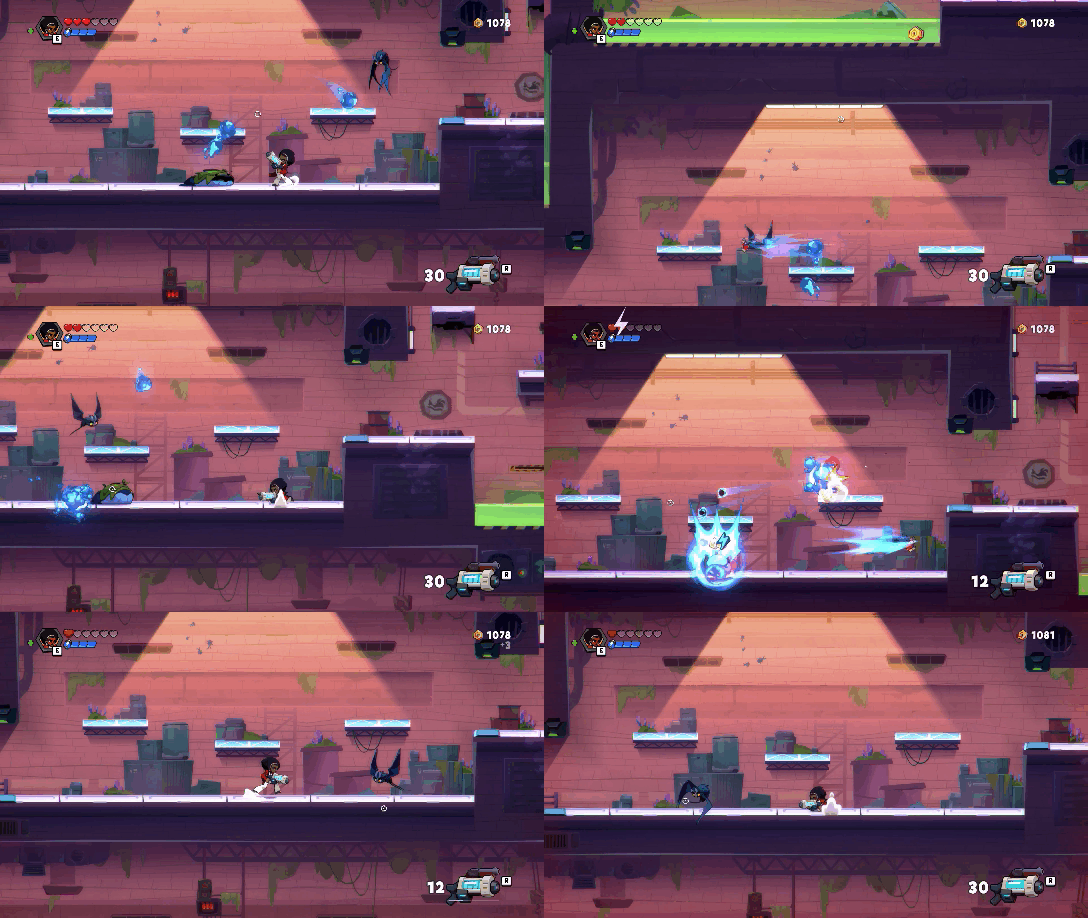
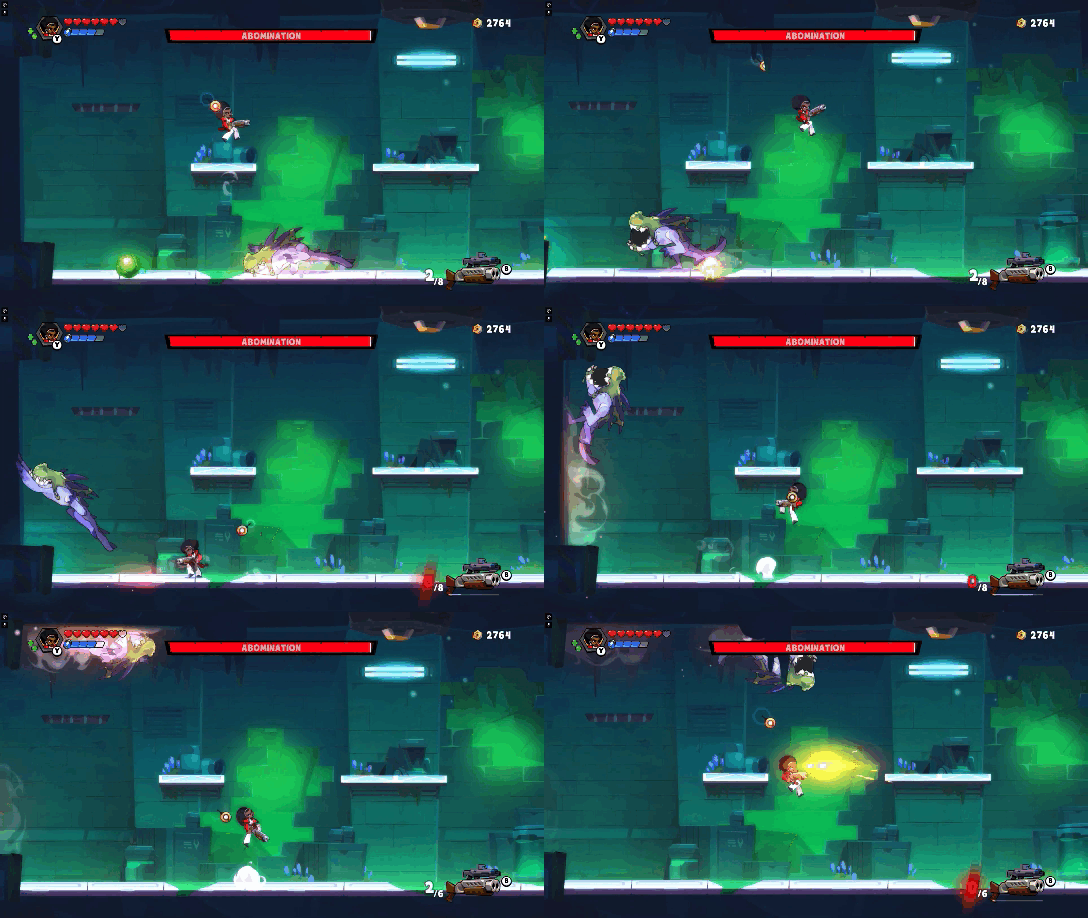
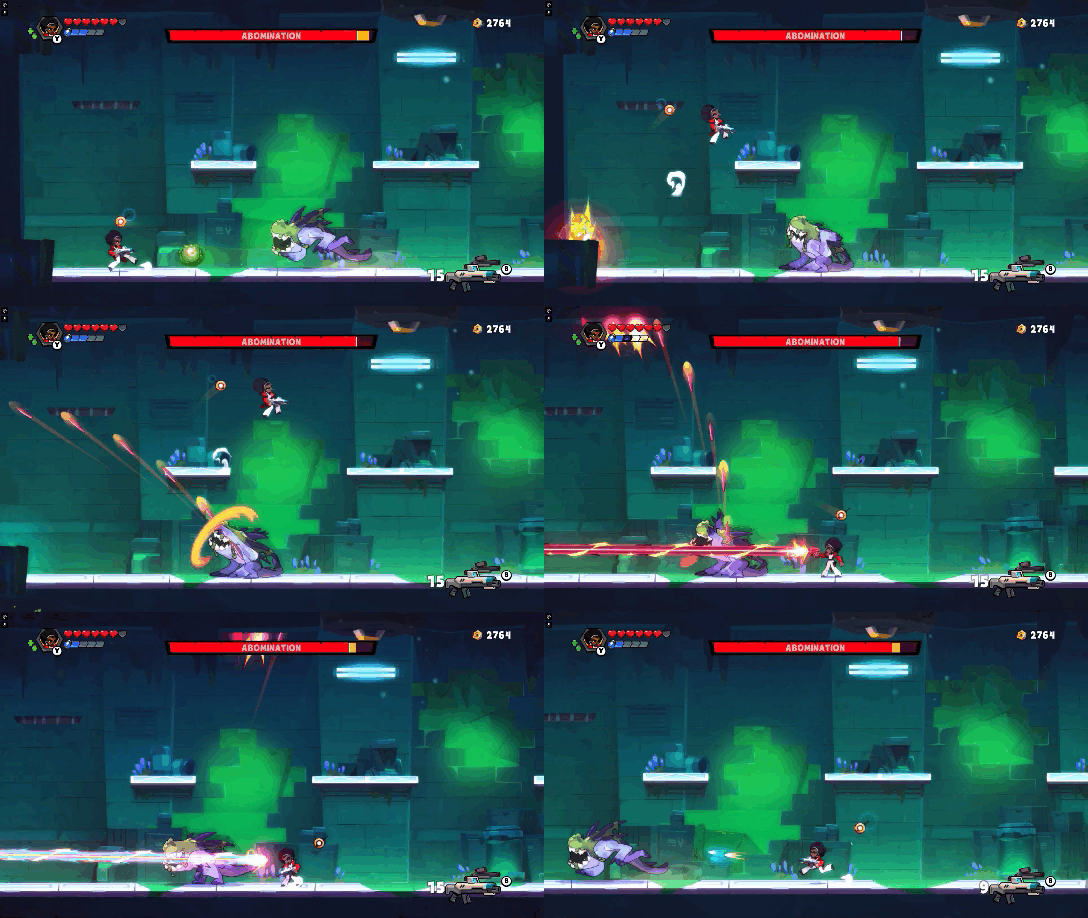
The basic attack is a spit launched out of a somersault. The boss uses it on cooldown whenever there’s enough distance for the jump. It only asks the player for a simple dodge — either a jump or a sidestep, depending on their position relative to the boss.
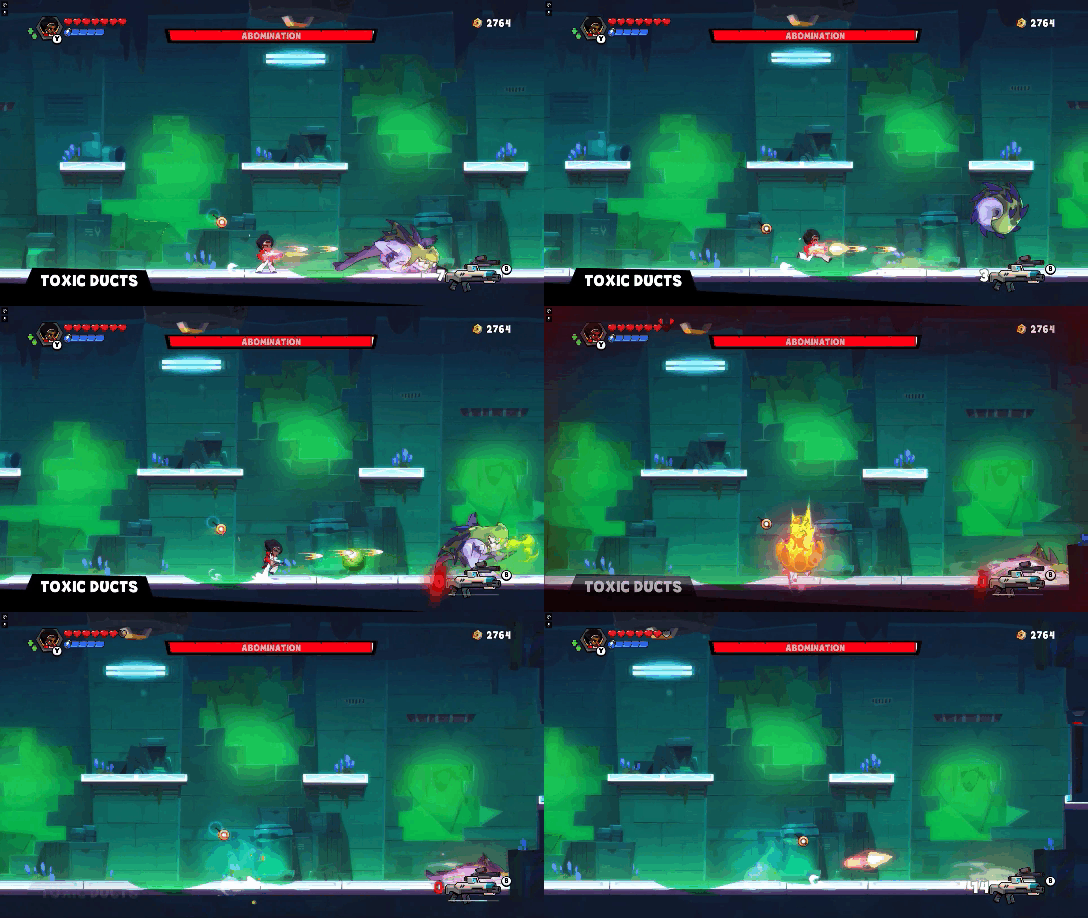
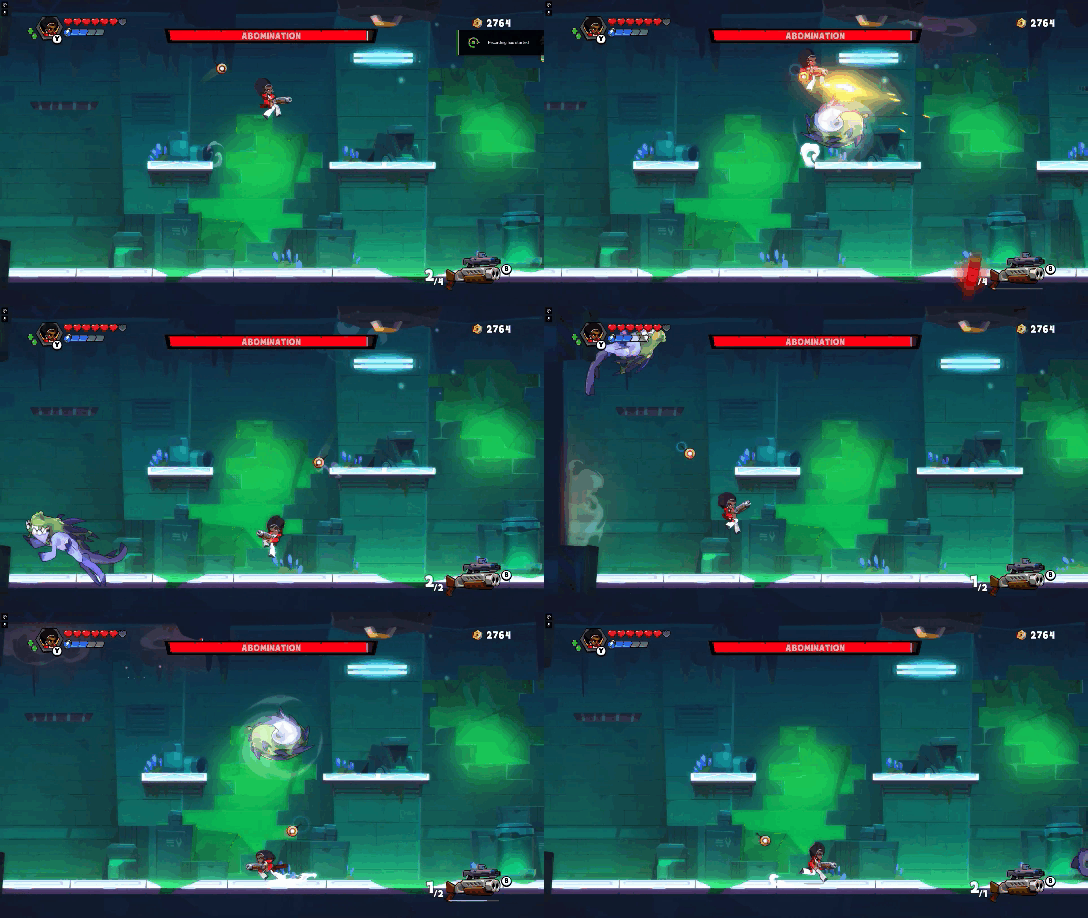
The second attack is a spike barrage. The intended response is to jump over the boss, but most players simply try to outrun it (video on the right).
The intended pattern was for players to dodge the spikes in this way (video on the right), creating a safe window to attack. However, post-release videos show that only a small fraction of players do this in practice, which I consider the first major design error in this boss.
The third attack is a roll. If the boss uses it while on the ceiling, it drops down to the floor, and if it rolls all the way into a pipe, it gets stunned, giving the player a window to attack.
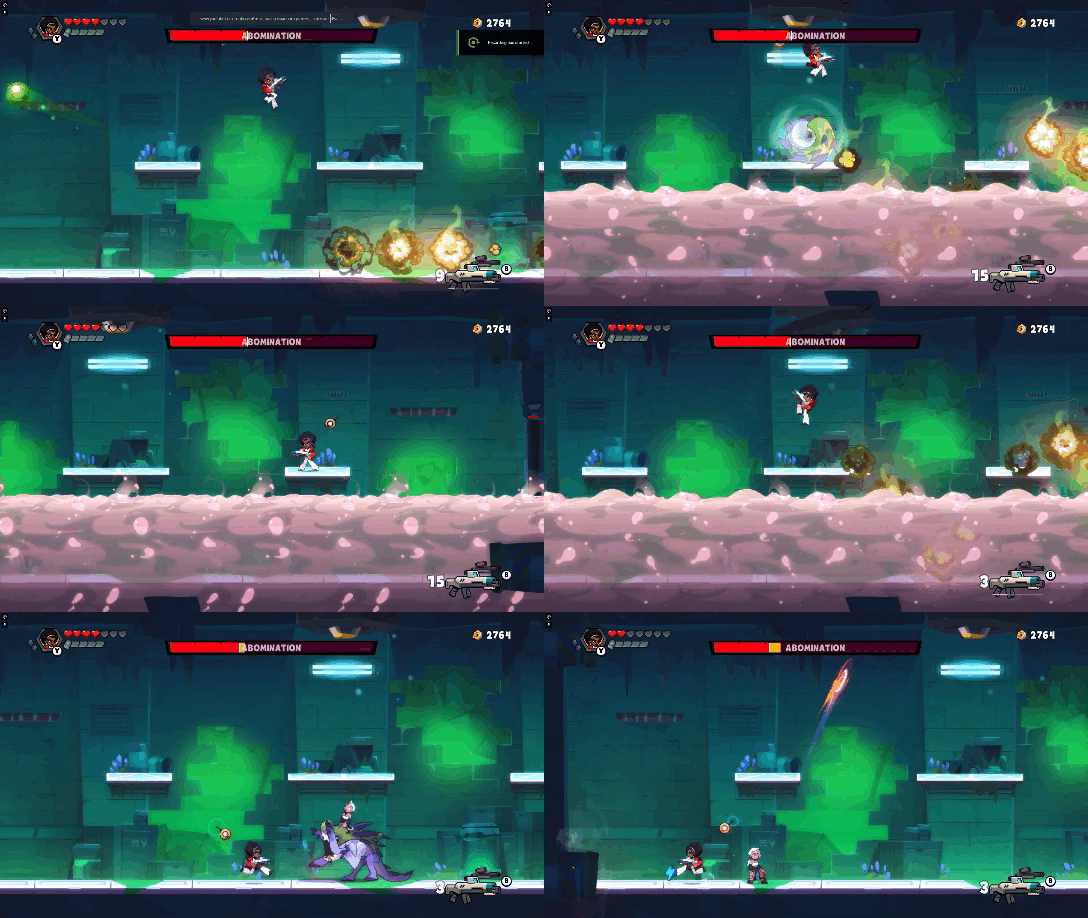
After losing one-third and two-thirds of its health, the boss climbs into a pipe and a transition phase begins. The arena fills with acid, and the Abomination dives in and out of it. To avoid damage from these dives, the player has to chain two double jumps and a dash. At the end of the transition, Vortex comes in to assist the player and creates a brief damage window.
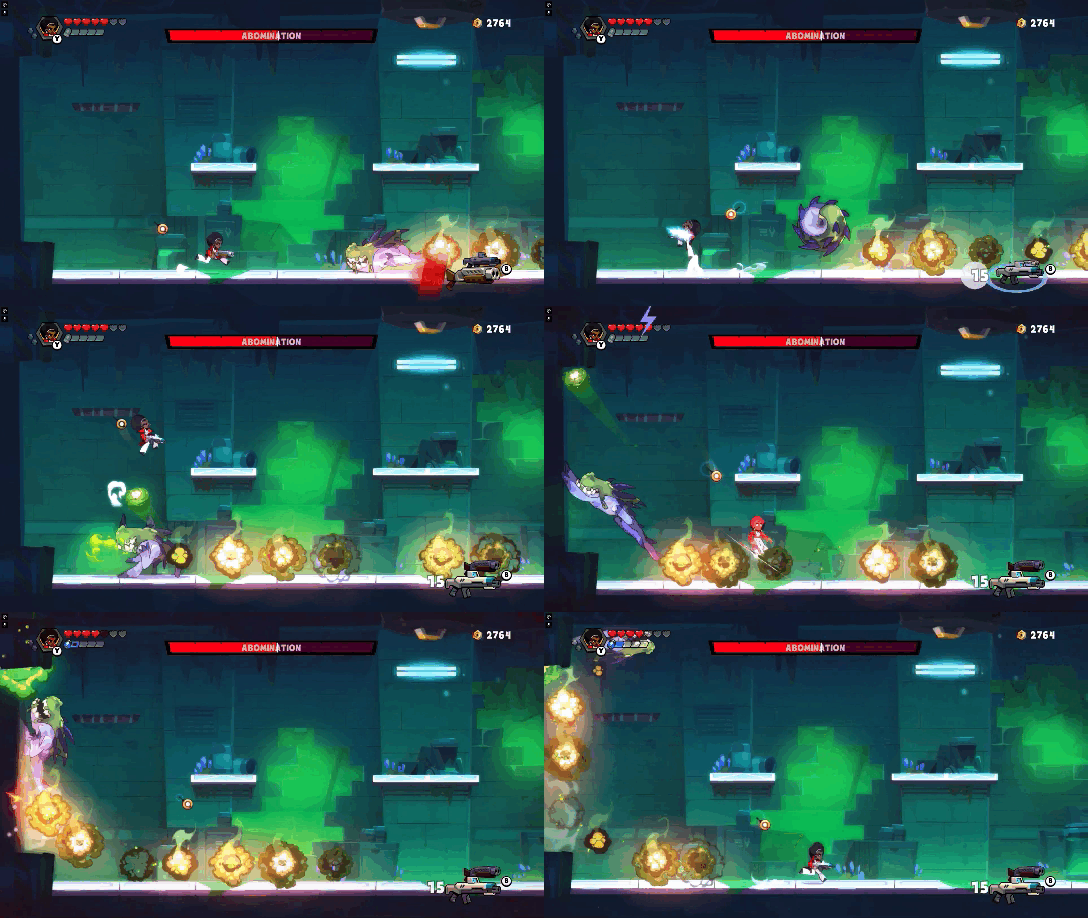
In the second phase, after diving into the acid, the Abomination gains a toxic trail that it continuously leaves behind for the rest of the fight. This effectively introduces two constraints for the player. The first is that you can no longer simply jump over the Abomination (see the video on the right).
The trail also means that whenever the boss falls from the ceiling, the player can’t instantly chase after it if they dodged the drop the “wrong” way, because the ground between them is now covered.
The second major design issue also concerned damage windows. Because the boss only enters a stun state when its roll ends in a pipe, both of the “safe” damage windows ended up demanding high-risk behavior and tight spacing. In practice, this led to a huge variance in encounter length: from around 4 minutes for confident players to 10 minutes if players were too cautious.
This problem could have been avoided if I had finished the gameplay prototype a bit earlier and had time for major changes. For example, I could have added extra damage windows, but that would have required significant changes to the movement system, which already relied on too many hacks by that point.
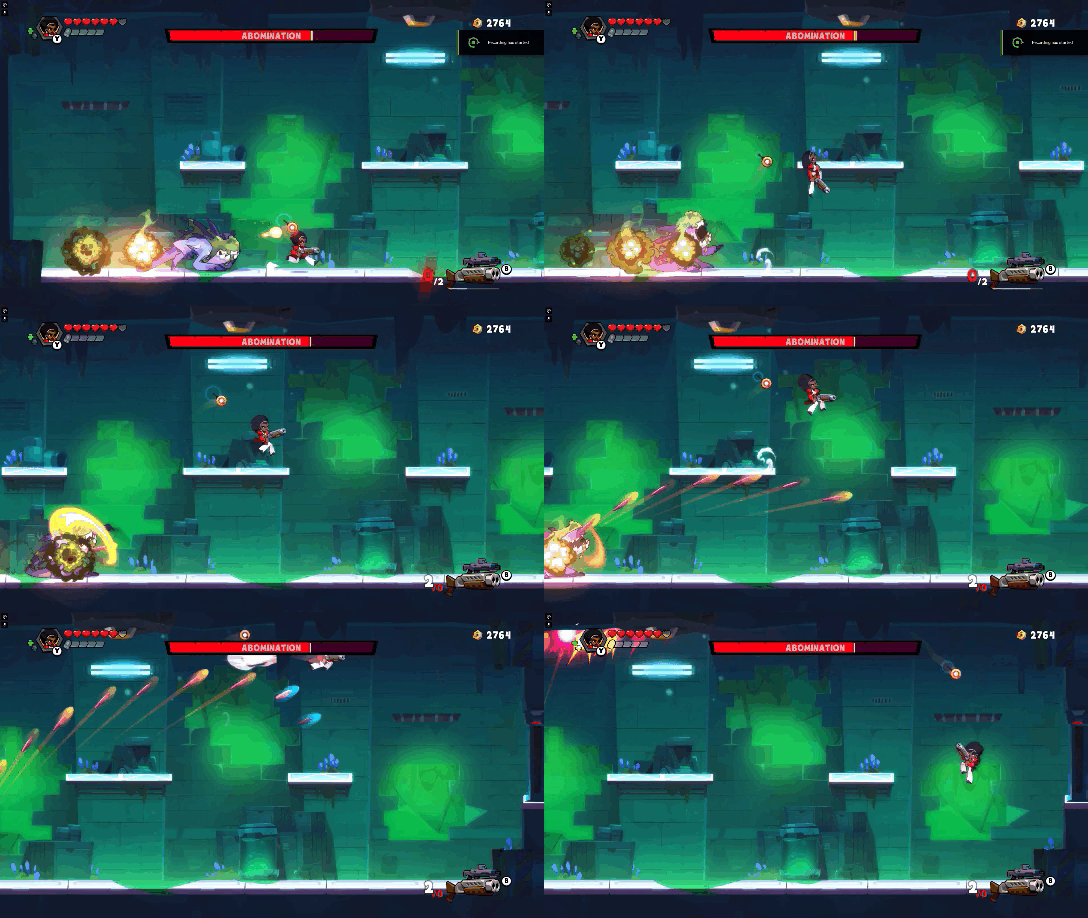
In the third phase, the Abomination keeps its full previous toolkit and gains a final ability, Ricochet, which fires three projectiles that bounce off the walls for an extended period. This phase is meant as a mastery check: with precise movement, players can theoretically avoid all damage indefinitely, but the execution difficulty is intentionally very high.


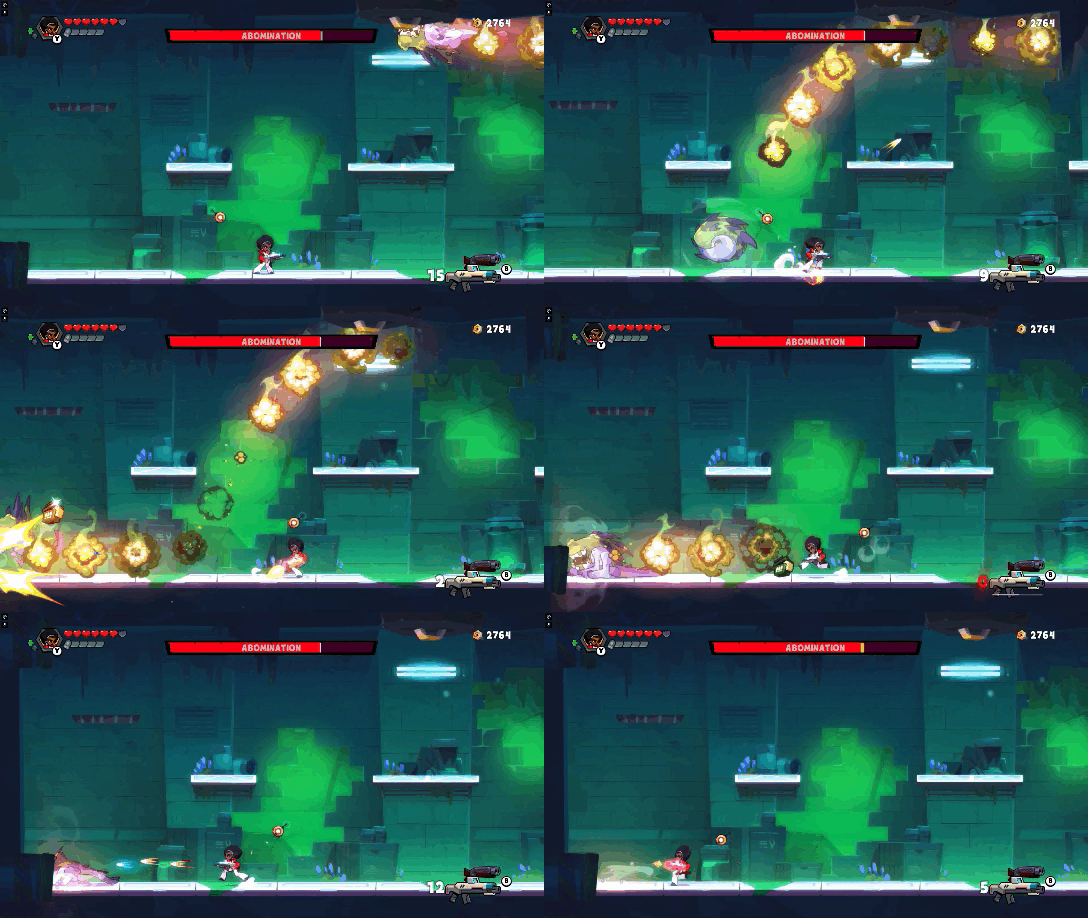
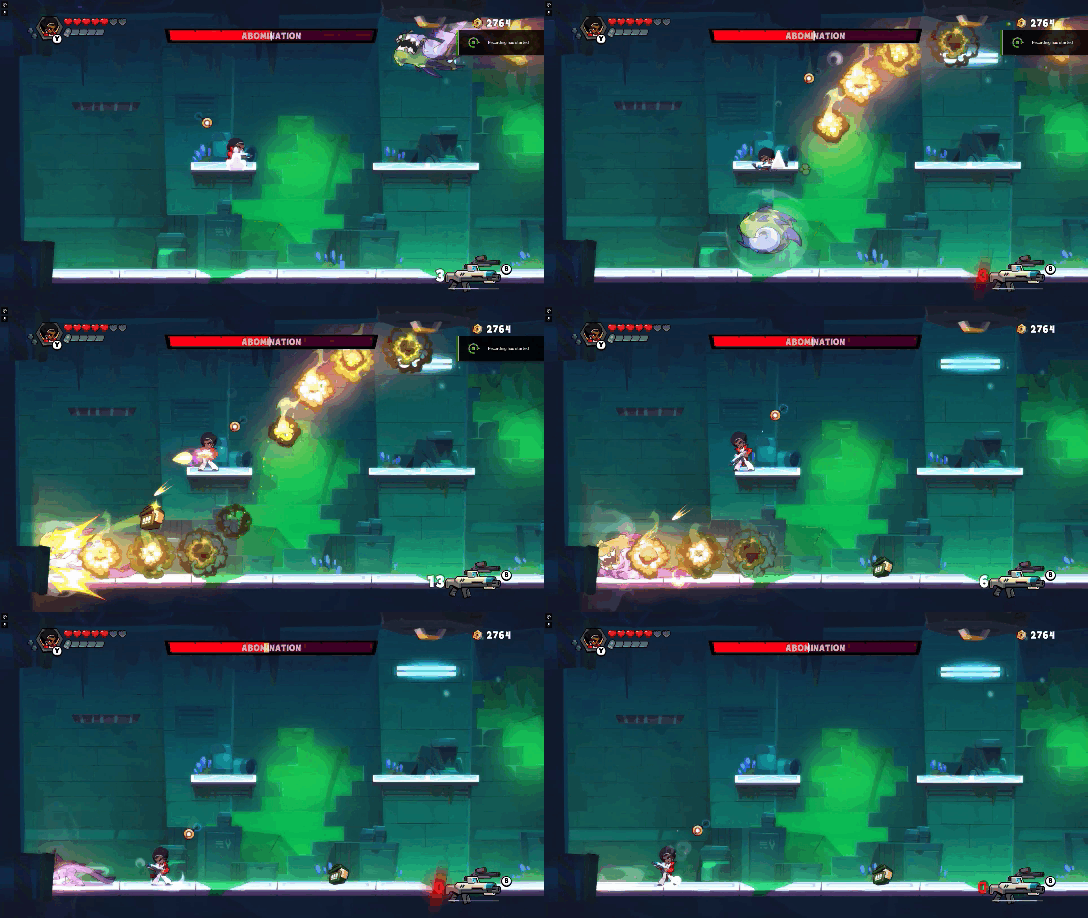
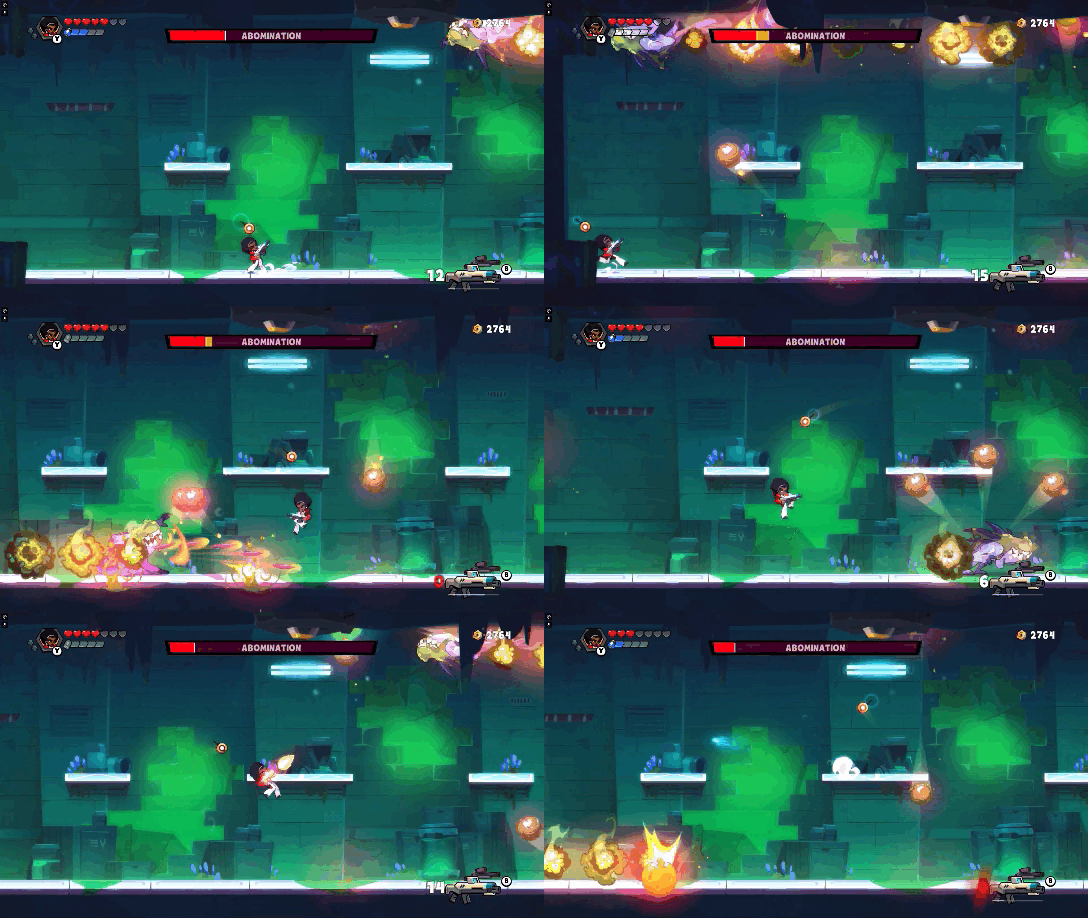
Ultimately, Abomination lived up to its name and proved to be a truly challenging experience, both for players and for me as its designer.
To sum up the key mistakes I see in this design:
-
Choosing to build a boss this complex without involving programmers.
-
Overcomplicating the mechanics under tight production deadlines.
-
Making the main damage windows too risky for such a long and demanding encounter.
After defeating her, the player discovers that the Abomination was under the Slime’s control the whole time. Once it’s gone, she turns out to be surprisingly cute and later moves into the player’s hub.
As for me, I’d like to “give her a home” here as well — by giving her a permanent place in my portfolio.
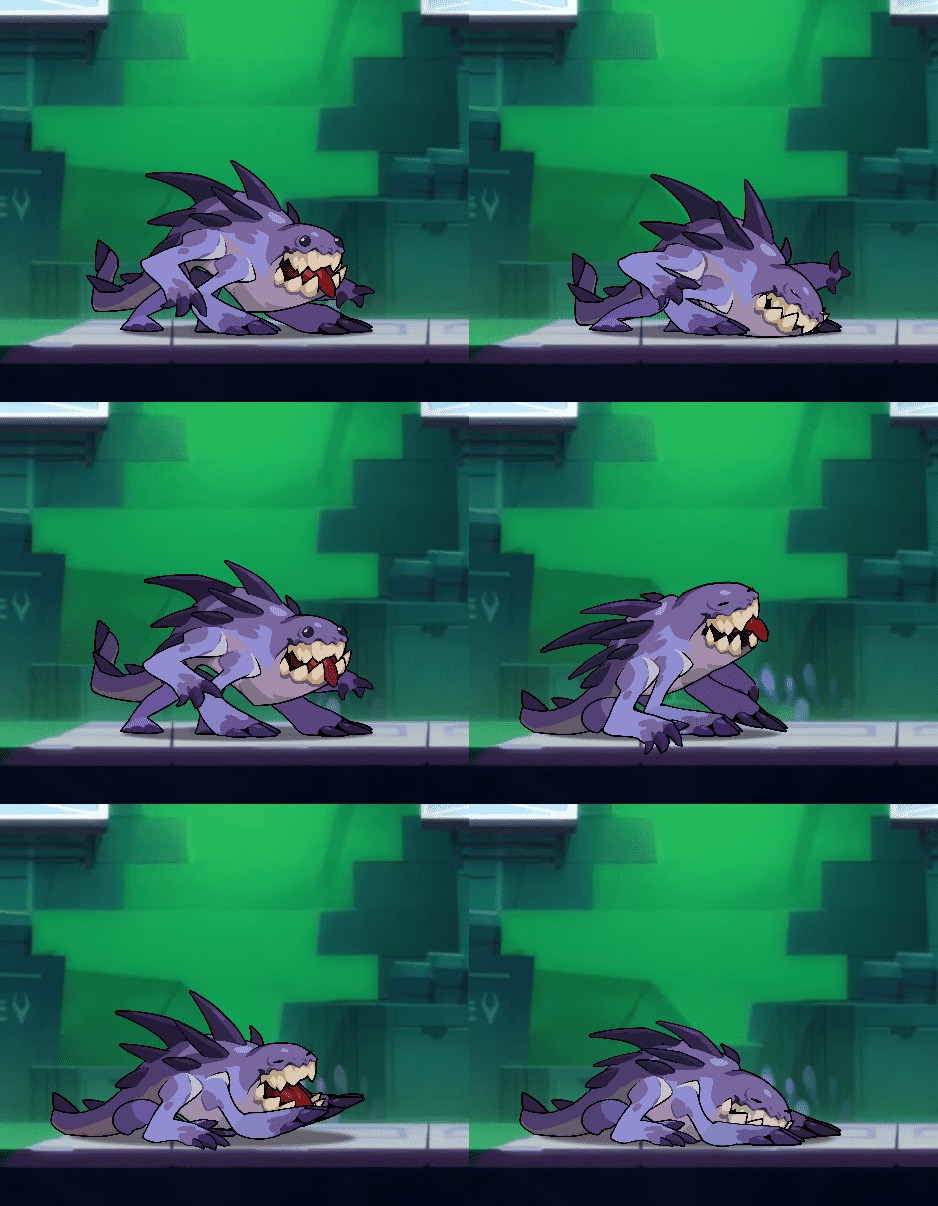
A bonus shot from an early-game cinematic that introduces the main antagonist.

Bonus
Some of my mobs.